Akumal Turtle Snorkeling
Akumal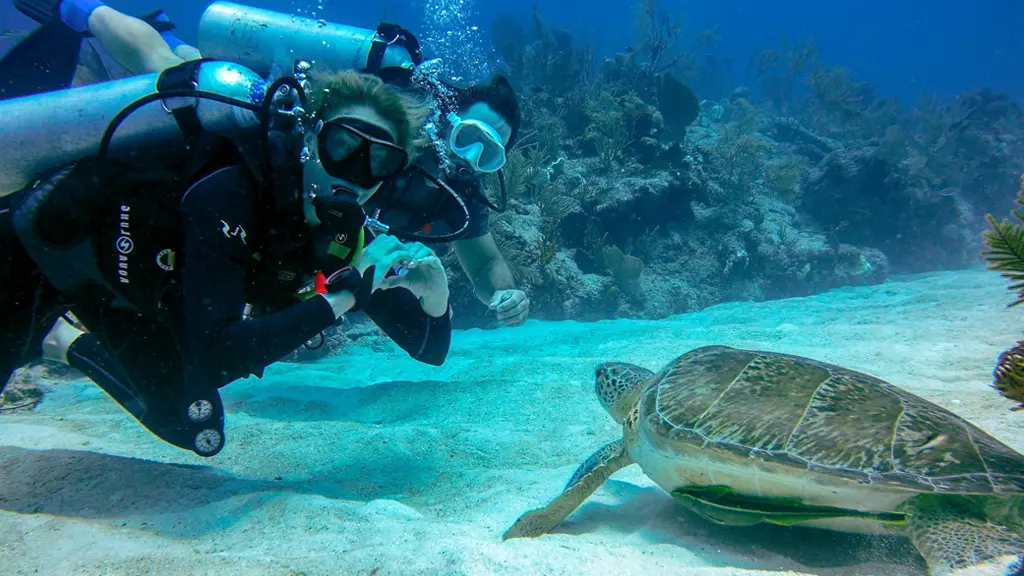
How to get to Akumal Turtle Snorkeling
Akumal sits on Highway 307 between Playa del Carmen and Tulum. You can arrive by car, taxi, or colectivo.
About Akumal Turtle Snorkeling
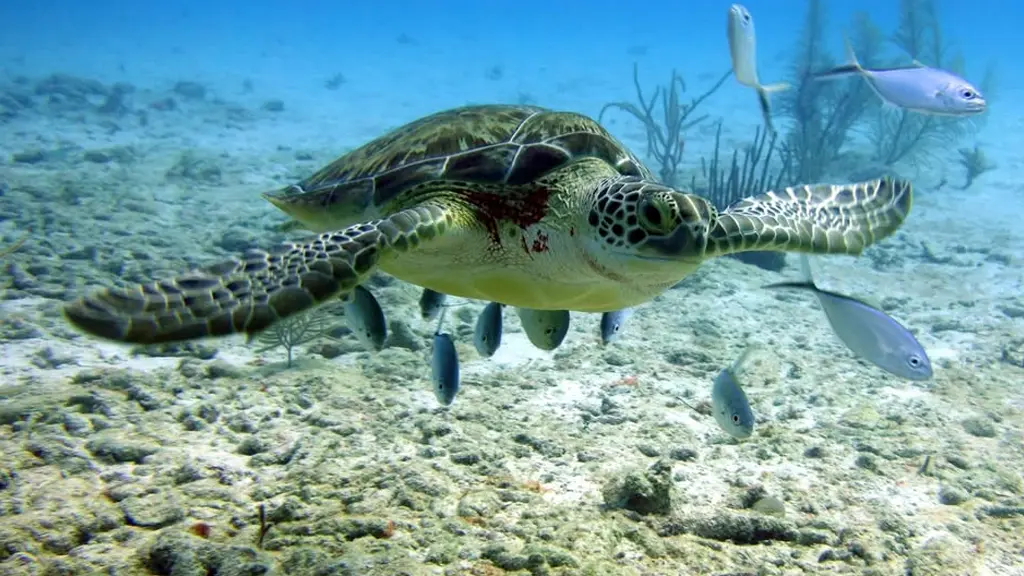
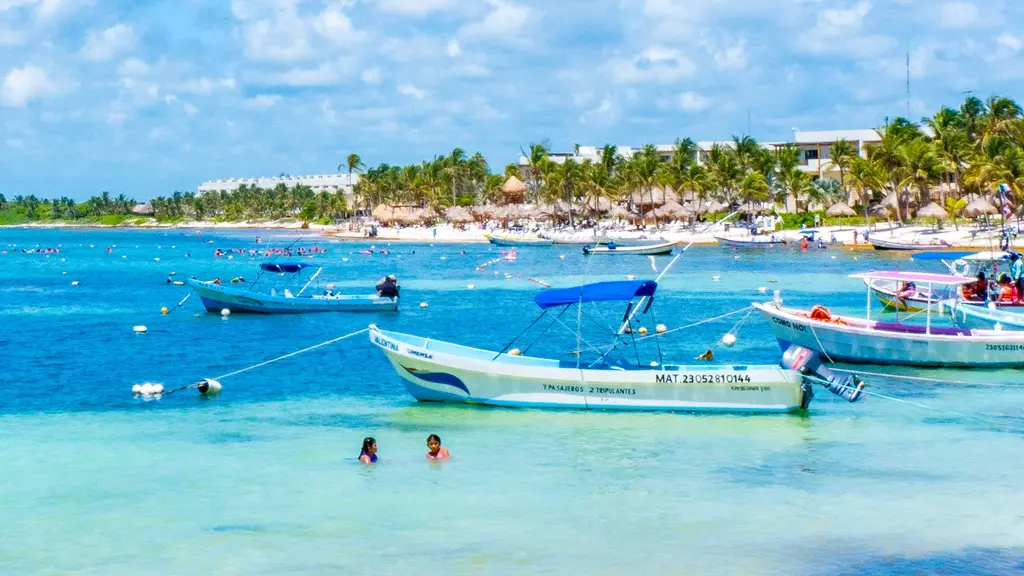
Akumal is a small coastal community on Highway 307 between Playa del Carmen and Tulum, known throughout the Riviera Maya for one remarkable and reliably accessible wildlife encounter: snorkeling with wild sea turtles in a calm bay. The name Akumal means “Place of Turtles” in Maya, and the bay here has been an important feeding and nesting area for sea turtles for generations.
The reason turtles are consistently present at Akumal is straightforward. The bay’s shallow, calm waters contain extensive seagrass beds, the primary food source for green sea turtles. This creates a reliable feeding ground that brings turtles back to the same area day after day rather than simply passing through. Akumal Bay and the adjacent Half Moon Bay, a perfect crescent of calm, clear water, are both important turtle habitat. Loggerhead and hawksbill turtles may also be seen, though green turtles are the most common and most reliably encountered.
The overall snorkeling quality at Akumal is high beyond the turtles themselves. The reef begins close to shore, with healthy coral formations, colorful reef fish, rays gliding across the sandy bottom, and occasionally nurse sharks resting near the reef edge. The water clarity is generally excellent, making the bay rewarding for all snorkelers, not only those specifically interested in the turtles.
Access rules at Akumal have evolved over time in response to high visitor numbers and their impact on the turtle population and habitat. Guided tours, which include briefings on appropriate behavior around the animals and limit group sizes in the water near turtles, are the most ecologically responsible approach and the best way to maximize encounter quality. Guides know where turtles are feeding on a given day, and the structured format reduces disturbance to the animals.
Location
Related Attractions
Frequently Asked Questions about Akumal Turtle Snorkeling
Why are there sea turtles at Akumal?
Sea turtles are regularly present at Akumal because the bay's shallow, calm waters contain extensive seagrass beds, which are the primary food source for green sea turtles. This creates a reliable feeding ground that brings turtles to the same area consistently, rather than simply passing through on migration. Akumal Bay and the adjacent Half Moon Bay both provide this habitat, and the warm, calm, shallow conditions make both bays accessible to snorkelers without advanced swimming ability. The beaches around Akumal are also historically important nesting habitat for loggerhead, hawksbill, and green turtles.
Do you need a guided tour to snorkel with turtles at Akumal?
Guided tours are generally the most reliable and ecologically responsible way to snorkel with turtles at Akumal. Guides know where turtles are feeding on a given day, brief participants on appropriate behavior, and help manage group sizes in the water near the animals. Access rules have changed over time as visitor numbers have increased, so verifying current conditions before visiting is important. Even when self-guided access is available, life vests are typically required and behavior guidelines must be followed. A guided tour reduces both the environmental impact and the chance of a disappointing experience if you are uncertain where to look.
What kind of sea turtles can you see at Akumal?
Green sea turtles are by far the most commonly seen species and are the primary reason Akumal is famous for turtle encounters. They feed on seagrass in the bay and are present throughout much of the year, though encounter rates vary by season. Loggerhead and hawksbill turtles are also part of the local ecosystem and may be spotted, though less reliably. All three species are protected under Mexican law and international treaties. Visitors are required to maintain a respectful distance and must never touch, chase, or interfere with the turtles in any way.
Is Akumal good for snorkeling beyond the turtles?
Yes — Akumal is genuinely good for snorkeling beyond the turtle encounters. The reef begins close to shore in both Akumal Bay and Half Moon Bay, and water clarity is generally excellent. A wide variety of reef fish are abundant, rays glide across the sandy bottom, and nurse sharks occasionally rest near the reef edge. Brain corals, fan corals, and sea anemones provide a visually rich underwater environment. For groups where only some members are specifically interested in turtles, the overall snorkeling quality is high enough to make the visit rewarding for everyone.
How do you get to Akumal from Playa del Carmen or Tulum?
Akumal is on Highway 307, approximately 37 kilometers south of Playa del Carmen and about 37 kilometers north of Tulum. By car, the entrance to Akumal Bay is on the highway and clearly marked. Colectivos — shared minibuses running along the highway — are the most budget-friendly option from either Playa del Carmen or Tulum, dropping passengers at the Akumal junction from where the bay is a short walk. Taxis from either town are also straightforward. No organized bus routes stop directly at the bay, so colectivo, taxi, or rental car provides the most direct access.
What time should you visit Akumal to maximize turtle sightings?
Morning is the best time to visit Akumal. Turtles tend to feed most actively in the cooler morning hours, and the water is generally calmer and clearer before afternoon winds pick up. Arriving early also means fewer other visitors in the water, which reduces impact on the turtles and creates a more personal experience. By mid-morning to midday, visitor numbers increase significantly and conditions become more crowded. A guided morning tour is typically the optimal approach. Afternoon visits can still produce sightings as turtles are present through the day, but morning conditions are generally superior on all counts.
Leave a Reply