Bacalar Lagoon
Bacalar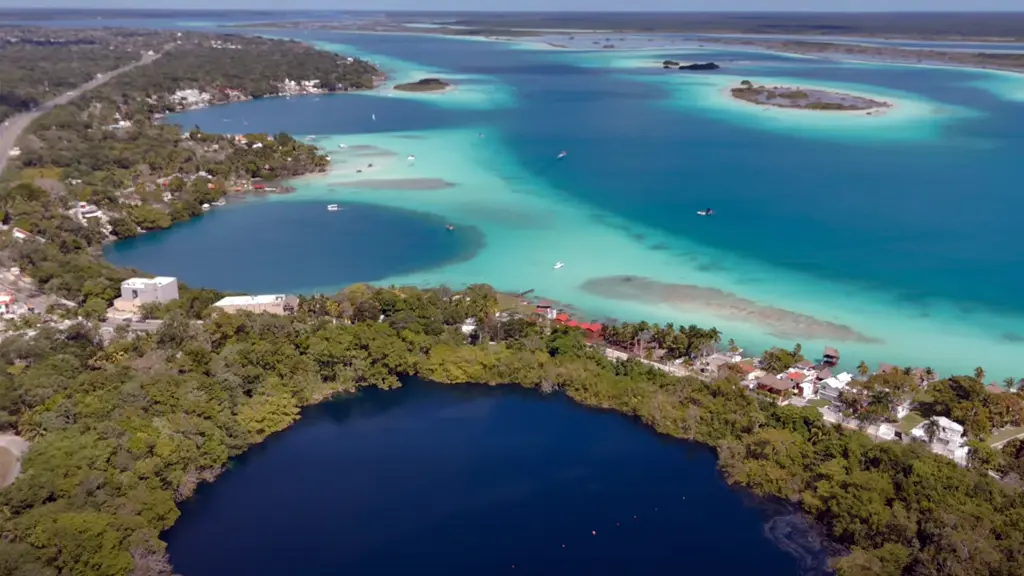
How to get to Bacalar Lagoon
Bacalar is easiest by rental car or ADO bus. Once in town, much of the lagoon area is reachable on foot, by bike, or by taxi.
About Bacalar Lagoon
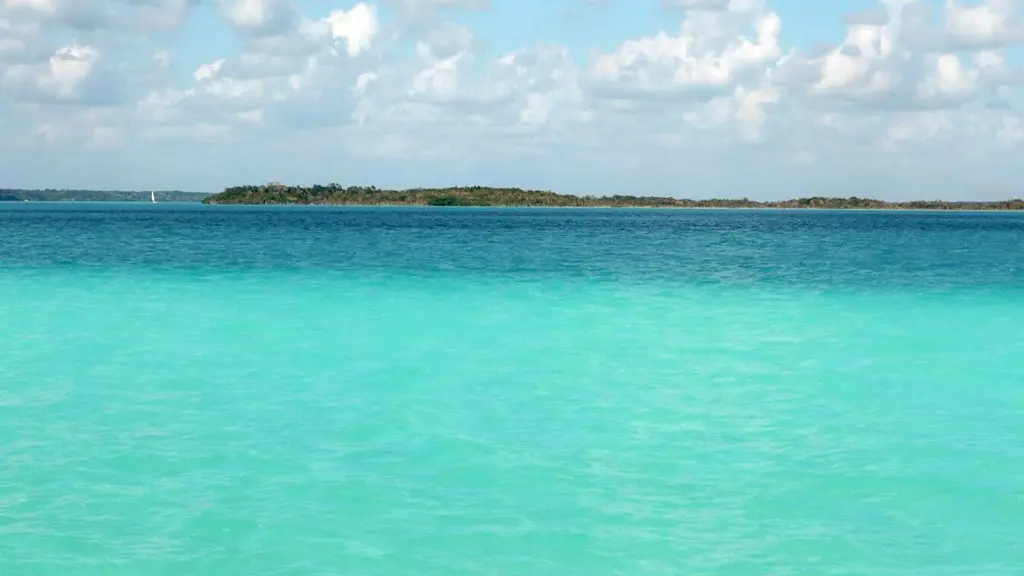
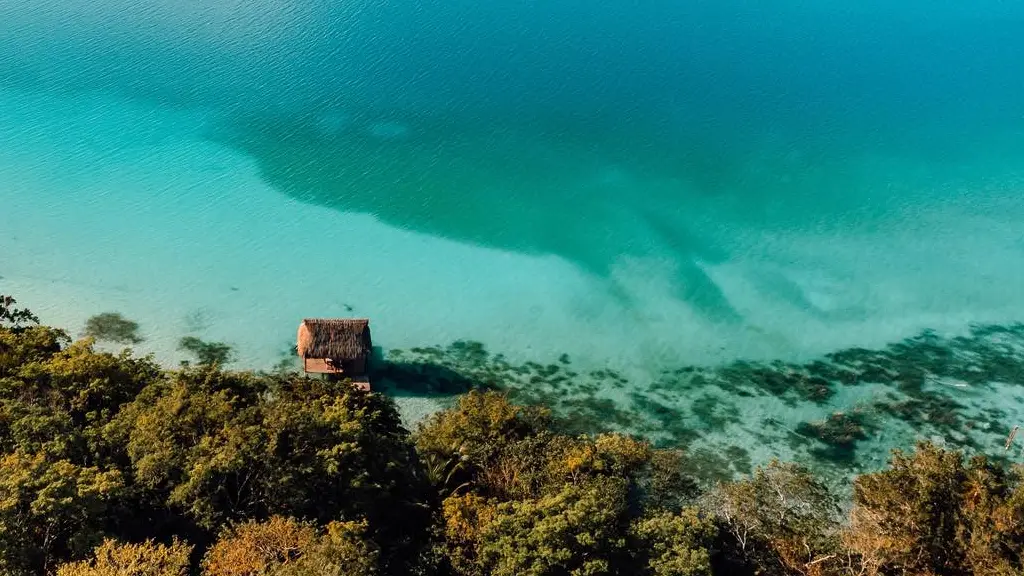
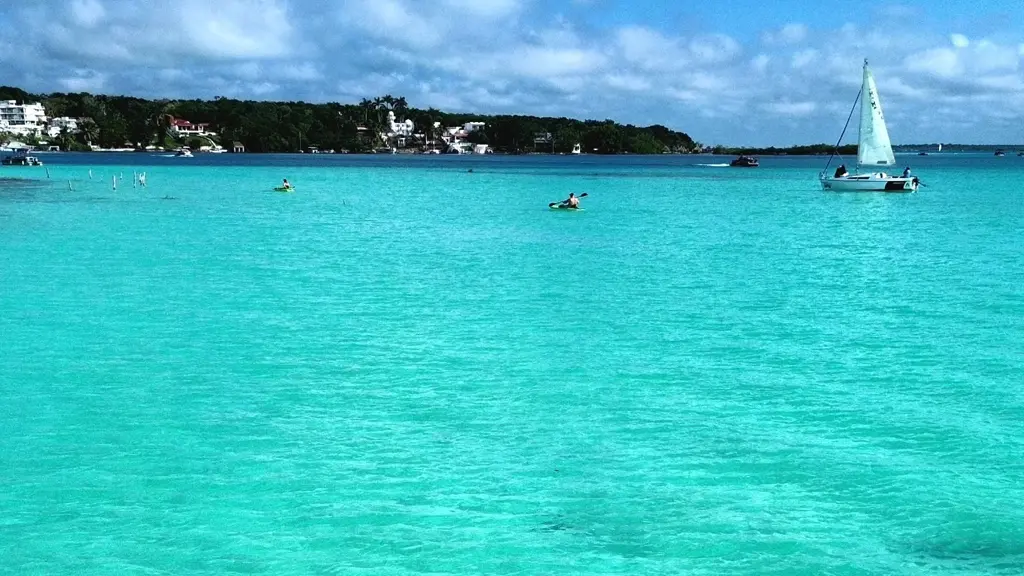
Laguna Bacalar is a freshwater lake stretching more than 60 kilometers along the interior of Quintana Roo in southern Mexico, about 125 kilometers south of Felipe Carrillo Puerto and 39 kilometers north of Chetumal. It is known as the Lagoon of Seven Colors because the water shifts through distinct shades from pale turquoise in the sandy shallows to deep sapphire in the deeper channels, with the color changing through the day depending on light and wind.
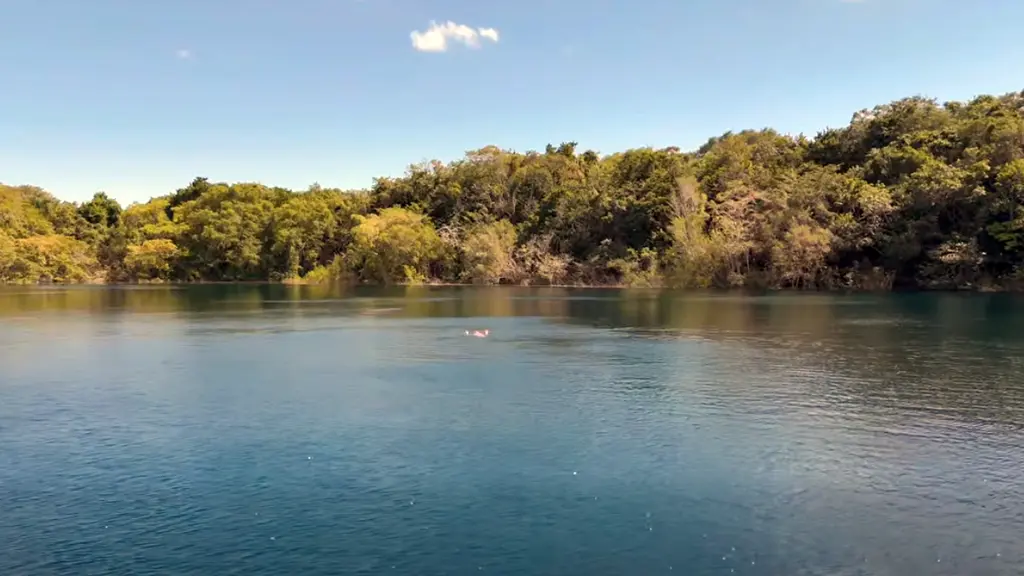
Unlike the Caribbean coast to the north, Bacalar has no beaches in the resort sense. The experience is built around the lake itself — the stillness of the morning surface, the play of light on water of different depths, and the ease of spending time on or near the lake without a packed schedule. Guided boat tours are the standard way to see more of the lagoon’s length, navigating to different color zones and stopping at Cenote Azul, a 90-meter-deep natural pool at the lake’s southern edge that offers excellent swimming. Kayaking, paddleboarding, and sailing are other popular ways to spend time on the water.
The small town of Bacalar on the eastern shore has a genuinely slow character. At its heart is the 17th-century Spanish fortress of San Felipe, built to defend against pirate raids and later used during the War of the Castes, when Maya rebels held the fort until Quintana Roo was conquered in 1901. The fortress houses a museum of colonial armaments and uniforms and overlooks the lake with good views from its ramparts.
Bacalar has become increasingly popular with visitors from North America and Europe, with a growing number of boutique hotels and lagoon-side restaurants. A one or two-night stay is widely considered the best approach, as a day trip from the Riviera Maya north is possible but very long.
Location
Related Attractions
Frequently Asked Questions about Bacalar Lagoon
What makes Laguna Bacalar special?
Laguna Bacalar is a 60-kilometer-long freshwater lake in southern Quintana Roo whose water shifts through multiple shades of blue and green depending on depth and light — earning it the nickname the Lagoon of Seven Colors. What makes it special is the combination of extraordinary natural beauty and a pace of life genuinely slower and quieter than the resort-heavy Riviera Maya coast. The experience centers on the water: swimming, kayaking, paddleboarding, boat tours, or simply watching the color of the lake change through the day. A 17th-century Spanish fortress in the town, Cenote Azul at the lake's southern edge, and an increasingly interesting selection of lakeside restaurants and boutique hotels add further reasons to stay longer.
Is Bacalar Lagoon free to visit?
Some public access is free, particularly from the town's balneario — a public swimming area on the lakefront near the central square. However, most rewarding experiences on the lagoon involve cost. Guided boat tours are the best way to see the color zones and reach Cenote Azul, and these charge per person. Kayak and paddleboard rental adds further cost. Beach clubs and private docks along the lakefront costera charge either an entry fee or a minimum food and drink consumption. Hotels with lake access include it for guests. The lake itself cannot be charged for, but experiencing it properly involves spending.
What are the best activities at Laguna Bacalar?
The most popular activity is a guided boat tour, which navigates the lagoon's different color zones, stops at Cenote Azul, and may include a visit to cenotes accessible only by water. Kayaking and paddleboarding in the shallower channels are excellent for independent exploration. Swimming at Cenote Azul, where the water is exceptionally clear and deep, is a highlight. The Spanish fortress of San Felipe in the town center is worth visiting for its historical exhibits and views over the lake. Watching the sunrise or sunset from a lakefront location is a genuinely memorable experience, as the changing light dramatically transforms the color and mood of the water.
Is morning or afternoon better for visiting Laguna Bacalar?
Morning is generally the best time. The water tends to be calmer in the early hours before wind picks up, making the colors more vivid and the surface more mirror-like. The morning light also brings out the contrast between the different depth zones more distinctly. By afternoon, wind can create chop that diminishes the Seven Colors effect. Late afternoon before sunset also creates beautiful conditions, and many visitors find that a full day spent on and around the lagoon shows them how dramatically the mood of the place shifts from hour to hour. Either way, it rewards more than a rushed visit.
How do you get to Bacalar from Cancun or Tulum?
Bacalar is in the south of Quintana Roo, about 320 kilometers south of Cancun and 230 kilometers south of Tulum. By car via Highway 307, the drive from Cancun takes approximately 3.5 to 4 hours. ADO buses run regularly between Cancun and Bacalar, with the journey taking 4 to 5 hours depending on the class of service. First-class buses are faster and more comfortable. From Chetumal, the nearest large city, Bacalar is only about 39 kilometers away by local bus or taxi. Many travelers combine Bacalar with a visit to Chetumal or as the final Mexican stop before crossing into Belize.
Should you stay overnight at Bacalar or is it possible as a day trip?
A day trip from the northern Riviera Maya is technically possible but leaves very little time at the lagoon itself given the driving distance. Most visitors who properly experience Bacalar agree that at least one night — ideally two or three — is the right approach. The character of the place is built on a slower pace, and the experience of waking up next to the lagoon, spending a full morning on the water, and watching the afternoon light shift across its surface is very different from a rushed transit stop. The overnight stay also allows you to see the lagoon at the times of day when it looks most extraordinary.
Rating Overview
No reviews yet. Be the first to leave a review!
Leave a Reply