Cancun Downtown Area
Cancun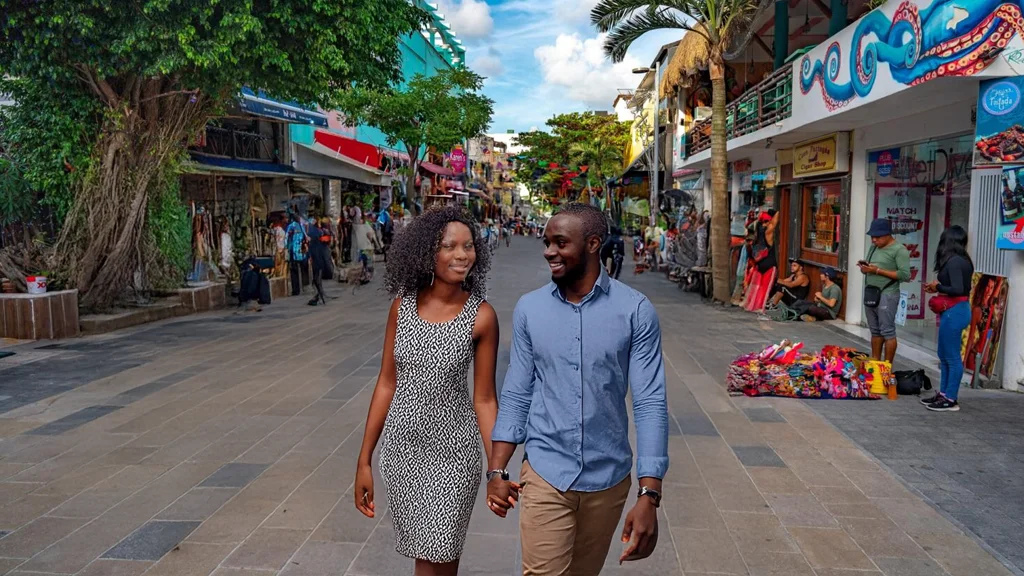
Ciudad Cancun is home to nearly one million people and has all the energy, authenticity, and culinary richness of a large Mexican urban center.
How to get to Cancun Downtown Area
Downtown Cancún is approximately 15 to 20 minutes from the Hotel Zone by taxi, costing around 100 to 150 Mexican pesos. The R-1 and R-2 public buses run the full length of Boulevard Kukulcán from the Hotel Zone, cross the bridge over the lagoon, and continue along Avenida Tulum into the heart of downtown — a journey of around 30 to 40 minutes at a fraction of taxi cost. Uber also operates in Cancún and is a reliable and affordable option. The main downtown area is walkable once you arrive, centered on Avenida Tulum, Parque de las Palapas, and Mercado 28.
About Cancun Downtown Area
Most visitors to Cancún never leave the Hotel Zone – and most of them, on some level, suspect they are missing something. They are right. Ciudad Cancún, the actual city that exists west of the lagoon on the mainland, is home to nearly one million people and has all the energy, authenticity, and culinary richness of a large Mexican urban center that happens to be located twenty minutes from one of the world’s most famous beach resorts.
The contrast with the Hotel Zone is immediate and total. Where the Zona Hotelera is orderly, international, and designed around the needs of resort tourism, downtown Cancún is Mexican in every sense — a city of busy markets, neighborhood taquerías, public parks full of local families, independent pharmacies and electronics stores, street food stands, and the ordinary commercial life of a place where real people live and work. The main public square, the Parque de las Palapas, is the most accessible and enjoyable expression of this: a large, shaded plaza where palm-thatched food stands serve authentic Yucatecan dishes at neighborhood prices, where musicians play in the evenings, and where the social rhythm of Mexican urban life is on full and generous display.
For eating, downtown Cancún is simply better value and frequently better food than the Hotel Zone. Los Almendros near the Parque de las Palapas is the local institution for Yucatecan cuisine, with its complete menu of regional dishes including cochinita pibil, poc chuc, papadzules, and panuchos. La Habichuela on Calle Margaritas is one of the most beloved restaurants in the entire city, serving traditional Mexican dishes in a beautiful garden courtyard. And Mercado 28 — the city’s main public market — has a food court that represents the single best introduction to Yucatecan street cooking in the Cancún area, at prices that will seem almost implausibly low after a few days in the Hotel Zone.
Video: Cancun Downtown Area
Location
Related Attractions
Frequently Asked Questions about Cancun Downtown Area
What is the Cancun Downtown Area?
The Cancun Downtown Area, known locally as Ciudad Cancún or simply downtown, is the residential and commercial heart of the city, located on the mainland side of Cancún — separate from the tourist Hotel Zone on the island. It is where the majority of Cancún's permanent population of nearly one million people live and work, and where you find the authentic local side of the city: markets, neighborhood restaurants, independent shops, public parks, and a day-to-day Mexican urban atmosphere that contrasts sharply with the resort environment of Boulevard Kukulcán.
How is downtown Cancun different from the Hotel Zone?
The Hotel Zone (Zona Hotelera) on Cancún Island is a purpose-built tourist corridor of luxury hotels, shopping malls, international restaurants, and beach clubs. Downtown Cancún, by contrast, is a genuine Mexican city with residential neighborhoods, local markets, street food stands, neighborhood cantinas, and a commercial district centered on Avenida Tulum and Avenida Yaxchilán that serves the needs of the local population rather than tourists. Prices in downtown are significantly lower than in the Hotel Zone, and the cultural experience is considerably more authentic.
What is there to do in downtown Cancun?
Downtown Cancún offers a different kind of experience from the beach-focused Hotel Zone. Highlights include the Parque de las Palapas — the city's main public square and social hub — where local families gather in the evenings and weekends for street food, live music, and community events. The Ki-Huic artisan market on Avenida Tulum has over 100 vendors selling handicrafts, clothing, and souvenirs. Mercado 28, the city's main market, offers a colorful mix of fresh produce, local food stalls, traditional crafts, and an excellent food court. Several cultural and archaeological museums are also located downtown.
What is Parque de las Palapas in downtown Cancun?
Parque de las Palapas is the main public square of Ciudad Cancún and the true social heart of the local community. Named for the palm-thatched palapas that shade its food stands, the park is surrounded by street food vendors, juice bars, and informal restaurants serving authentic Yucatecan food at extremely affordable prices. On weekend evenings the park fills with local families, musicians, children, and street performers, creating a vibrant and genuinely Mexican atmosphere that is entirely different from the Hotel Zone experience and one of the most enjoyable free activities in the entire Cancún area.
What is Mercado 28 in Cancun?
Mercado 28 is the main public market of Ciudad Cancún, located on the corner of Avenidas Xel-Ha and Tankah in the downtown area. It is a lively, colorful market selling fresh vegetables, fruit, meat, and local food alongside a wide selection of handicrafts, Panama hats, huarache sandals, hammocks, and traditional clothing. Its food court is particularly popular and offers some of the most authentic and affordable Yucatecan cooking in the city, including dishes like cochinita pibil, panuchos, salbutes, and sopa de lima that are often far better here than in the tourist-facing restaurants of the Hotel Zone.
How do I get from the Hotel Zone to downtown Cancun?
The Hotel Zone and downtown Cancún are connected by frequent, affordable public buses — the R-1 and R-2 lines — that run along Boulevard Kukulcán and Avenida Tulum throughout the day and much of the night. A bus ride from the southern Hotel Zone to downtown costs just a few pesos and takes approximately 20 to 40 minutes depending on traffic. Taxis are a faster and more comfortable option, taking 15 to 20 minutes and costing approximately 100 to 150 MXN. Uber also operates in Cancún and is widely used between the Hotel Zone and downtown.
What is the Ki-Huic market in Cancun?
Ki-Huic is a large artisan and souvenir market on Avenida Tulum in downtown Cancún, one block from the main Parque de las Palapas. It contains over 100 stalls selling a wide range of handicrafts from attractive to kitschy — traditional textiles, embroidered clothing, hammocks, wooden figures, ceramic pieces, silver jewelry, and an extensive selection of T-shirts and resort wear. Bargaining is expected and prices are significantly lower than comparable items in the Hotel Zone shopping malls. It is a good first stop for souvenir shopping in a local rather than tourist-oriented setting.
Are there good restaurants in downtown Cancun?
Yes, downtown Cancún has some of the best and most authentic Mexican and Yucatecan restaurants in the entire Cancún area, at prices far below those in the Hotel Zone. Los Almendros, near the Parque de las Palapas, is the local classic for Yucatecan cuisine, with color pictures of every dish making ordering easy for first-timers. La Habichuela, also near the park on Calle Margaritas, is a beloved institution serving Yucatecan and Mexican dishes in a beautiful garden setting. The food court at Mercado 28 is the best budget option for authentic regional cooking.
Is downtown Cancun safe for tourists?
Downtown Cancún is generally safe for tourists during daytime hours and in the main commercial and restaurant areas around Avenida Tulum, the Parque de las Palapas, and Mercado 28. Like any large Mexican city, it is advisable to exercise standard urban caution — being aware of your surroundings, not displaying expensive equipment conspicuously, and avoiding isolated areas after dark. The neighborhoods immediately around the main market and park are busy and well-frequented throughout the day. Many visitors to Cancún make regular downtown trips without incident.
Does downtown Cancun have a bus terminal?
Yes, the main bus terminal (ADO Terminal) is located in the downtown area on Avenida Tulum and serves as the primary departure point for long-distance bus services to destinations throughout the Yucatán Peninsula including Playa del Carmen, Tulum, Mérida, Chichen Itza, and beyond. ADO operates first-class and executive-class services with air conditioning, assigned seating, and reliable schedules. The terminal also offers luggage storage facilities and is adjacent to a commercial area with shops and restaurants.
What is there for culture and history in downtown Cancun?
The Museo de Antropología e Historia de Cancún, located in the Convention Center at Km 4.5 on Boulevard Kukulcán — technically on the edge of the Hotel Zone — houses an excellent collection of Maya artifacts and contextualizes the archaeological heritage of the region. Downtown itself has the Museo de Arte Popular Mexicano, which showcases traditional folk art from across Mexico. For a more casual cultural experience, simply spending an afternoon at the Parque de las Palapas or Mercado 28 provides genuine insight into contemporary Cancún life.
Is downtown Cancun good for shopping?
Yes, downtown Cancún offers a very different and generally better-value shopping experience than the Hotel Zone malls. Avenida Tulum is lined with pharmacies, clothing stores, electronics shops, and everyday commercial enterprises. The Ki-Huic market and Mercado 28 are the best spots for handicrafts and souvenirs. Several large supermarkets and discount retailers also operate in the downtown area, including Walmart and Sam's Club on Avenida Cobá, offering full grocery shopping and consumer goods at standard Mexican prices.
What is Avenida Yaxchilán in downtown Cancun?
Avenida Yaxchilán is one of the main commercial streets of downtown Cancún, running parallel to Avenida Tulum and containing a dense concentration of local restaurants, bars, pharmacies, and small businesses. It is particularly popular for affordable dining, with numerous neighborhood restaurants offering comida corrida — the traditional Mexican set lunch of soup, a main dish, and drink at a fixed low price — as well as taquerías, seafood spots, and casual cantinas. It represents the most accessible and affordable dining street in the city for visitors venturing away from the Hotel Zone.
How long do tourists typically spend in downtown Cancun?
A half-day is sufficient to explore the main highlights of downtown Cancún — a visit to the Parque de las Palapas, a browse through Ki-Huic or Mercado 28, lunch at a local restaurant, and a walk along Avenida Tulum. A full day allows for a more leisurely exploration including museum visits and time to discover smaller neighborhood streets. Many Hotel Zone visitors make downtown a half-day excursion combined with a return to the beach in the afternoon, treating it as an essential complement to the resort experience rather than a destination in itself.
Is it worth visiting downtown Cancun?
Absolutely, and for many travelers a visit to downtown Cancún is one of the most memorable parts of their trip precisely because it provides such a stark and revealing contrast with the Hotel Zone. The authentic Yucatecan food, the lively markets, the local atmosphere of the Parque de las Palapas, and the significantly lower prices all contribute to an experience that feels real and Mexican in a way that the Hotel Zone, for all its pleasures, fundamentally does not. Any visitor with a genuine curiosity about Mexico as a country rather than just a beach resort should make the effort to spend at least a few hours downtown.
Rating Overview
No reviews yet. Be the first to leave a review!
Leave a Reply