Holbox Island
Isla HolboxHow to get to Holbox Island
Reach Holbox by traveling to Chiquilá, then taking the passenger ferry to the island. Most visitors continue on foot, by bike or by golf cart taxi.
About Holbox Island
Holbox Island is one of the easiest ways to experience a softer, less developed side of the Mexican Caribbean. It is not about polished resort infrastructure or packed itineraries. The attraction is the pace, the light, the beaches and the feeling that you are a little removed from the main tourism machine.
What people like most about Holbox is how simple the atmosphere feels once they arrive. The island encourages slower movement, long beach time and low-pressure planning. Depending on the season, activities such as whale shark tours or bioluminescence add another layer, but even without those headline experiences the island remains appealing on its own.
Morning travel usually works best because it helps you avoid some of the transfer friction and gives you more useful daylight on the island. Holbox is ideal for travelers who want to step away from the Riviera Maya pace without making the logistics too difficult.
Location
Related Attractions
Frequently Asked Questions about Holbox Island
What is Holbox Island?
Isla Holbox is a small, remote, and car-free island located off the northern tip of the Yucatán Peninsula, approximately 3 hours from Cancún. It is part of the Yum Balam Nature Reserve and is known for its white sandy streets, shallow turquoise waters, relaxed bohemian atmosphere, and extraordinary wildlife — most famously the whale sharks that congregate in the surrounding waters between June and September, and the flamingos that inhabit the nearby lagoons year-round.
How do I get to Holbox Island?
Holbox is reached by taking Highway 180 west from Cancún toward El Ideal and then heading north to the small port town of Chiquilá. From Chiquilá, a regular passenger ferry takes approximately 30 minutes to cross the lagoon to the island. Water taxis also make the crossing. Second-class buses connect Cancún's central bus station to Chiquilá. The entire journey from Cancún takes approximately 3 hours. There are no cars on the island itself, so getting around is by golf cart, bicycle, or on foot.
Can I swim with whale sharks at Holbox?
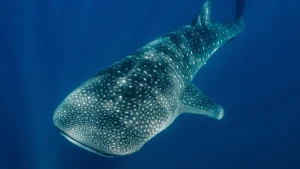
Yes, Holbox is one of the world's premier destinations for swimming with whale sharks, the largest fish on Earth. Whale sharks congregate in the waters around Holbox between June and mid-September to feed on seasonal plankton blooms. Guided boat tours take small groups out to snorkel alongside these gentle, harmless filter feeders. Only a small number of swimmers are permitted in the water at one time, and touching the sharks is strictly prohibited.
Are there flamingos near Holbox?
Yes, flamingos are one of the resident wildlife highlights of the Holbox area. They inhabit the shallow lagoons between Holbox and the mainland, particularly around Laguna Yalahau and the nearby Río Lagartos estuary area. Boat tours from Holbox offer flamingo spotting excursions, and the sight of large flocks of pink flamingos wading through the shallow turquoise water against a backdrop of mangroves is one of the most memorable wildlife experiences in the Yucatán.
What is the atmosphere like on Holbox Island?
Holbox has a distinctly relaxed, unpretentious, and bohemian atmosphere that sets it apart from the more developed resort destinations of the Riviera Maya. The island has no cars, sandy streets, colorful wooden buildings, and a small but lively collection of restaurants, beach bars, and small hotels. The pace of life is slow, the vibe is friendly, and the natural beauty of the surrounding lagoons and beaches creates a genuinely special sense of place.
What is the beach at Holbox like?
The beaches of Holbox are long, wide, and lined with palm trees, featuring the characteristic white sand and shallow, warm turquoise water of the Gulf of Mexico side of the peninsula. The water is very calm and shallow for considerable distances from the shore, making it ideal for wading and swimming. The absence of large resort hotels directly on the beach gives Holbox a more natural and unspoiled character than many better-known Caribbean beach destinations.
What other wildlife can I see at Holbox?
Beyond whale sharks and flamingos, Holbox is excellent for birdwatching, with over 150 species recorded in and around the island including pelicans, herons, frigate birds, roseate spoonbills, and numerous migratory species. Sea turtles nest on the beaches, and dolphins are occasionally seen offshore. The shallow Laguna Yalahau between the island and the mainland is a nursery for various marine species. Bioluminescent plankton can sometimes be seen glowing in the water at night.
Is Holbox suitable for families?
Yes, Holbox is an excellent destination for families seeking a relaxed, nature-focused beach holiday. The shallow, calm waters are very safe for children to swim and wade in. The wildlife experiences — particularly flamingo spotting and whale shark tours — are genuinely exciting for children and adults alike. The car-free island environment is also refreshingly safe and relaxed for families with young children.
Are there good restaurants on Holbox?
Yes, Holbox has a solid selection of restaurants and beach bars catering to all budgets. Seafood is naturally the local specialty, with fresh fish, lobster, and the local speciality — the pizza de mariscos or seafood pizza — all highly recommended. The restaurant scene is concentrated around the village plaza and the beach, and the quality of food on the island is generally above what you might expect from such a remote location.
When is the best time to visit Holbox?
The best time to visit Holbox for whale shark swimming is between June and mid-September. For general beach and wildlife visits, the dry season from November through April offers pleasant temperatures, lower humidity, and reliable sunshine. The island can become quite busy in December and January and during Holy Week. The summer months are hot and humid but rewarding for wildlife. The rainy season from June through October brings occasional storms but is also the time when whale sharks and bioluminescence are at their best.
Is Holbox overcrowded?
Holbox has grown significantly in popularity over the past decade and has received considerable attention on social media, which has brought noticeably more visitors. During the December to March high season the island can feel quite busy. However, it remains far less crowded than Tulum or Playa del Carmen, and the island's remote location and car-free character naturally limit the scale of tourism. Off-season visits offer a more tranquil and authentic experience.
Can I do watersports at Holbox?
Yes, Holbox offers a range of watersports in addition to whale shark tours. Kiteboarding is popular due to the island's consistent winds and shallow water conditions. Kayaking, stand-up paddleboarding, and boat tours to the flamingo lagoons are widely available. Snorkeling tours to nearby reef areas can also be arranged through local operators. The calm, shallow lagoon conditions make Holbox particularly well-suited for beginners in watersports.
Is there an airport on Holbox?
There is no major commercial airport on Holbox. The island is reached exclusively by the ferry and water taxi service from Chiquilá. Some visitors charter small private aircraft to a basic airstrip on the island, but this is not a standard option for most travelers. The ferry journey itself is part of the experience of arriving at Holbox and contributes to the feeling of genuine remoteness that the island is known for.
Is Holbox part of a nature reserve?
Yes, Holbox is situated within the Yum Balam Nature Reserve, a protected area that includes the island itself, the surrounding lagoons, mangroves, and the extensive shallow sea floor. This protected status has helped preserve the extraordinary wildlife and natural character of the island. Visitors are encouraged to behave responsibly in this fragile environment, including using reef-safe sunscreen, not disturbing nesting turtles, and following guidelines when observing flamingos or whale sharks.
What is bioluminescence at Holbox?
On warm nights, the waters around Holbox can display natural bioluminescence — a phenomenon caused by microscopic marine organisms called dinoflagellates that emit a vivid blue-green glow when disturbed by movement. Swimming or kayaking through the bioluminescent water at night, watching your body glow with every movement, is an otherworldly and unforgettable experience. It is most commonly observed during the summer months when water temperatures are at their highest.
Rating Overview
No reviews yet. Be the first to leave a review!
Leave a Reply