Tequila Tasting Experience Cancun
Cancun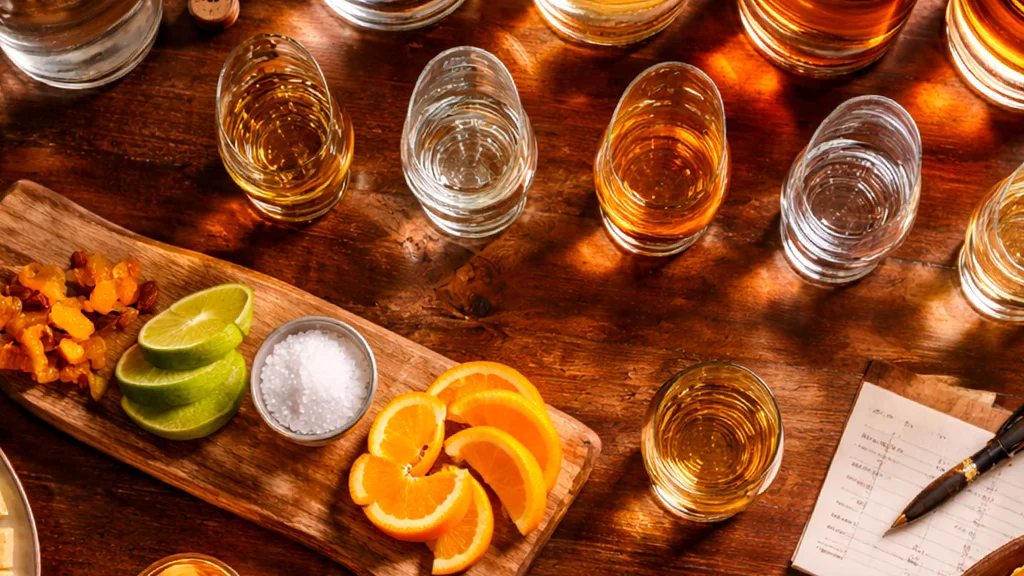
Tequila Tasting Experience Cancun is an important place or experience in the Riviera Maya region and plays a key role in how visitors explore the area.
How to get to Tequila Tasting Experience Cancun
Tequila tasting experiences in Cancun are concentrated primarily in two areas: the Hotel Zone (Zona Hotelera) along Boulevard Kukulcán, and downtown Cancun (Ciudad Cancún). Both are easy to reach from anywhere in the city.
From within the Hotel Zone, most tasting venues are accessible by taxi in just a few minutes, or by the R-1 and R-2 public buses that run the full length of Boulevard Kukulcán throughout the day and evening. La Destileria and Paloma Bonita, two of the most established tequila venues in the city are located in the Hotel Zone and easy to reach without a car. For experiences held in downtown Cancun, a taxi from the Hotel Zone takes approximately 15 to 20 minutes and is the most convenient option in the evening. If your tasting experience includes hotel pickup which many organized tour operators offer — simply confirm your hotel name and location at the time of booking and transportation will be arranged for you.
About Tequila Tasting Experience Cancun
Few things are more Mexican than tequila and few places in Mexico offer a better setting to truly understand it than Cancun. While most visitors encounter tequila as a shot at a beach bar, a tequila tasting experience in Cancun reveals something entirely different: a spirit of genuine complexity, deep cultural roots, and remarkable variety that rewards those who take the time to explore it properly.
Tequila is produced exclusively from the blue agave plant – Agave tequilana Weber – grown in and around the state of Jalisco in central Mexico. The plant takes between 8 and 12 years to reach maturity before it can be harvested, roasted, fermented, and distilled into the spirit that has become one of the most consumed in the world. That long growing cycle is part of what makes tequila so distinctive: every bottle represents years of patience and craft before a single drop is poured.
A guided tasting experience in Cancun walks you through the three main categories of the spirit in sequence – blanco, the youngest and most vibrant expression with direct agave flavor; reposado, rested in oak for up to a year and rounded by subtle woody notes; and añejo, aged for one to three years and approaching the complexity of a fine cognac with its amber color, vanilla, and caramel character. Many experiences also introduce participants to mezcal – tequila’s smoky, artisanal cousin made from a variety of agave species — and to xtabentún, the ancient Yucatecan honey liqueur that represents the peninsula’s own distinct contribution to Mexico’s remarkable tradition of native spirits.
Beyond the tasting itself, the best experiences in Cancun place tequila in its full cultural context: the agave farmers and jimadores who harvest the plants by hand, the distilleries of Jalisco where the production heritage stretches back centuries, and the role of tequila in Mexican celebration, ritual, and daily life. Cancun has several venues with extraordinary selections – La Destileria stocks over 150 brands including rare expressions unavailable in export markets, while dedicated cantina bars in the Hotel Zone offer curated tastings led by knowledgeable hosts. It is one of the most educational and entertaining evenings you can spend in Cancun – and a genuinely meaningful way to connect with the culture of Mexico beyond the beach.
Video: Tequila Tasting Experience Cancun
Related Attractions
Frequently Asked Questions about Tequila Tasting Experience Cancun
What is a Tequila Tasting Experience in Cancun?
A tequila tasting experience in Cancun is a guided educational session in which participants sample multiple varieties of tequila under the guidance of a knowledgeable host, learning about the history, production process, regional classifications, and flavor profiles of Mexico's most iconic spirit. Sessions are typically held at dedicated tequila bars, restaurant cantinas, or specialized venues in the Hotel Zone or downtown Cancun. Some experiences also include mezcal comparisons, food pairings, and instruction on how to properly nose and taste tequila rather than simply shooting it.
What is tequila and where does it come from?
Tequila is a distilled spirit produced exclusively from the blue agave plant — specifically the Agave tequilana Weber variety — grown in and around the state of Jalisco in central-western Mexico. Like Champagne or Cognac in France, tequila has a protected Designation of Origin, meaning that only spirit produced from blue agave in designated Mexican regions can legally be called tequila. It is Mexico's most famous and most exported spirit, and the country's most iconic alcoholic beverage alongside mezcal and cerveza.
What is the difference between blanco, reposado, and añejo tequila?
The three main categories of tequila differ primarily in how long they are aged after distillation. Blanco — also called silver or white — is the youngest and most pure expression, typically unaged or rested for less than two months. It has the most direct and vibrant agave flavor. Reposado, meaning rested, is aged in oak barrels for between two months and one year, developing a rounder, slightly woody character. Añejo is aged for one to three years, acquiring deeper amber color, a more complex flavor with vanilla, caramel, and oak notes, and a smoother finish. Extra añejo, aged over three years, is the most refined and expensive category.
What is the difference between tequila and mezcal?
Both tequila and mezcal are distilled from the agave plant, but they are distinct spirits. Tequila must be made specifically from blue agave in designated regions of Jalisco and a few other states. Mezcal can be made from over 30 different varieties of agave, primarily in the state of Oaxaca, using a traditional production method that involves roasting the agave hearts in earthen pits before fermentation — which gives mezcal its distinctive smoky flavor. Tequila is mezcal's more refined and regulated cousin, but many connoisseurs consider artisanal mezcal to be a richer and more complex expression of the agave plant.
How is tequila made?
Tequila production begins with the harvest of mature blue agave plants, which take between 8 and 12 years to fully ripen. The spiky outer leaves are removed and the heart of the plant — called the piña, because it resembles a giant pineapple — is roasted to convert its starches into fermentable sugars. The roasted piñas are then crushed, the juice is extracted, fermented using yeast, and distilled at least twice. The resulting spirit is either bottled immediately as blanco or transferred to oak barrels for aging into reposado or añejo categories.
What will I learn on a tequila tasting experience in Cancun?
A well-structured tequila tasting experience in Cancun covers several aspects of the spirit beyond simply drinking it. Participants typically learn about the agave plant and how long it takes to mature, the key steps in tequila production, how to distinguish between the main categories by color and aroma, the correct way to nose and taste tequila by sipping rather than shooting, and how food and tequila can be paired to enhance both. Some experiences also cover the history of tequila's rise from a regional Mexican spirit to one of the most consumed spirits in the world.
How many tequilas will I taste during the experience?
Most tequila tasting experiences in Cancun include between 3 and 6 different tequilas, typically one from each main category — blanco, reposado, and añejo — and sometimes additional expressions such as extra añejo, flavored tequila, or a mezcal comparison. Some venues in Cancun serve over 100 different tequila brands and can tailor a more extensive tasting for serious enthusiasts. The goal is always to taste enough to appreciate the differences between categories and styles without overindulging.
Is it true that the best way to drink tequila is as a shot with salt and lime?
This is a widely held misconception that most tequila educators actively work to dispel. The salt-and-lime ritual is associated primarily with young, inexpensive blanco tequilas where the condiments mask the raw flavors of a low-quality spirit. High-quality tequila — and in particular reposado and añejo expressions — is meant to be sipped slowly, like a fine whisky or cognac, to fully appreciate its aroma, flavor complexity, and finish. A tasting experience in Cancun will teach participants to engage with tequila on its own merits, without the crutch of salt and lime.
What food pairings are typically served with tequila in Cancun?
Traditional accompaniments to tequila tasting often include sliced orange with cinnamon and sugar — a more traditional Mexican alternative to the tourist-oriented salt and lime — as well as small bites of traditional Mexican food such as guacamole, ceviche, panuchos, or charcuterie. Some tequila bars in Cancun serve a full menu of Mexican dishes designed to complement different tequila expressions. The pairing of seafood with blanco tequila and richer, mole-based dishes with añejo is a classic combination recommended by many Mexican sommeliers.
Is a tequila tasting experience suitable for people who do not usually drink tequila?
Yes, a tequila tasting experience is an excellent introduction for people who have previously only encountered tequila in cocktails or as shots. Many participants who consider themselves tequila-skeptics leave a tasting with a completely different appreciation for the spirit after trying a well-made reposado or añejo sipped slowly. The educational format removes the pressure of simply drinking and replaces it with guided discovery. The experience is social, informative, and enjoyable at any level of prior knowledge or familiarity with the spirit.
What is xtabentún and is it related to tequila?
Xtabentún is a traditional Yucatecan liqueur made from honey fermented with anise and rum, unique to the Yucatán Peninsula and rooted in ancient Maya drinking traditions. It is completely separate from tequila — a different plant base, a different production method, and a very different flavor — but it frequently appears alongside tequila in Cancun tasting experiences as an example of Mexico's broader and remarkably diverse tradition of regional spirits. Its sweet, anise-forward flavor makes it an interesting point of comparison to the dry, vegetal character of tequila.
How many tequila brands are available in Cancun?
The Cancun Hotel Zone has several venues that stock impressive selections of tequila. La Destileria, a well-known tequila restaurant and mini-museum in the Hotel Zone, stocks over 150 brands including rare expressions that are rarely exported. Paloma Bonita's cantina bar also serves over 100 different tequilas. Because Mexico is the origin country of tequila, visitors in Cancun have access to a much wider and more diverse range of brands and styles than are typically available in export markets — including premium and ultra-premium expressions that can be tried here for the first time.
Is tequila expensive in Mexico?
Somewhat counterintuitively, premium tequila can be as expensive or more expensive in Mexico than in export markets, because high-quality aged expressions are in significant demand both domestically and internationally. However, entry and mid-range tequilas — particularly solid reposados and blancos from reputable producers — are very reasonably priced by international standards. Cancun, as a duty-free destination, also offers good opportunities to purchase quality tequila at competitive prices to take home, and high-quality tequila is widely cited as one of the best souvenir purchases in the city.
Can I combine a tequila tasting with a cooking class or dinner in Cancun?
Yes, several operators in Cancun offer combined experiences that pair a tequila or mezcal tasting with a Mexican cooking class, a traditional dinner, or a cultural show. La Casa de las Margaritas in La Isla Shopping Village offers tequila tastings combined with cooking lessons every Tuesday and Thursday. This kind of combined format is a particularly satisfying way to spend an evening — learning to cook traditional dishes and then sitting down to eat them with properly paired tequila is a genuinely immersive cultural experience.
How should I choose between the many tequila tasting venues in Cancun?
The key factors to consider are the range of tequilas offered, the quality of the guidance provided, and whether the experience is educational or simply promotional. A venue with a knowledgeable host who can explain the differences between expressions and engage participants in genuine discovery is far more rewarding than a venue that simply pours drinks. Reading recent reviews on booking platforms and looking for experiences that include structured tasting of multiple categories — blanco, reposado, añejo — rather than a single brand promotion is the best approach.
Is the tequila tasting experience suitable for groups or special occasions?
Yes, tequila tasting experiences are extremely popular for groups, birthday celebrations, bachelor and bachelorette parties, and anniversary dinners. Many venues in Cancun can accommodate private groups and will customize the tasting selection and format according to the occasion. The social, festive, and educational nature of a guided tasting makes it a natural fit for any celebratory group looking for a memorable and culturally meaningful activity beyond the beach.
What is the minimum age requirement for a tequila tasting in Cancun?
The legal drinking age in Mexico is 18 years old, and all tequila tasting experiences in Cancun require participants to be at least 18. Reputable operators enforce this strictly. Identification may be required at entry. For families traveling with younger members, operators will always have non-alcoholic alternatives available, and some tasting venues offer agave-based non-alcoholic tastings that explain the production process without the alcohol component.
Rating Overview
No reviews yet. Be the first to leave a review!
Leave a Reply