Cenote Dos Ojos
Tulum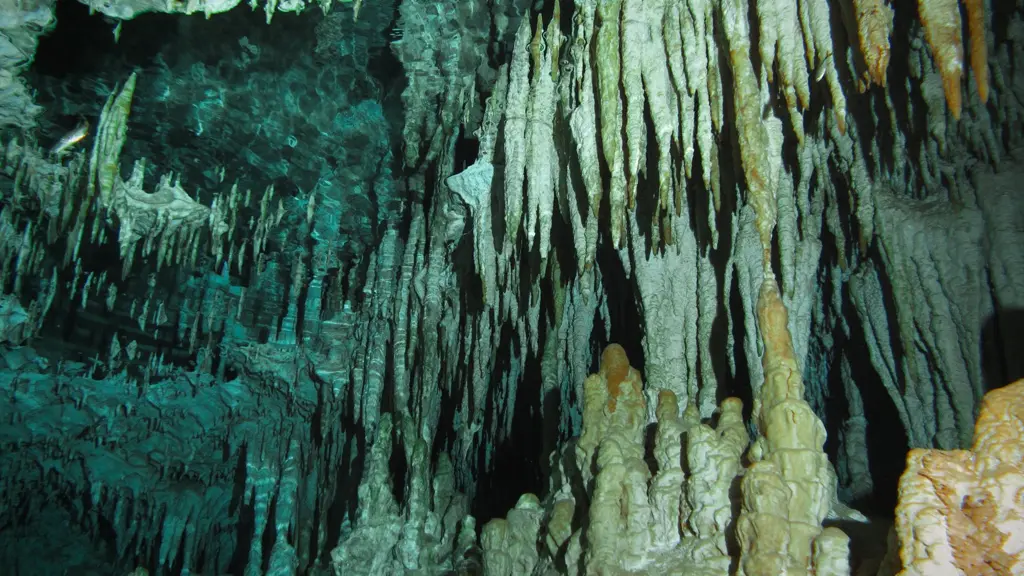
How to get to Cenote Dos Ojos
Dos Ojos is north of Tulum on Highway 307 and is easiest by rental car, taxi, or guided cenote tour.
About Cenote Dos Ojos
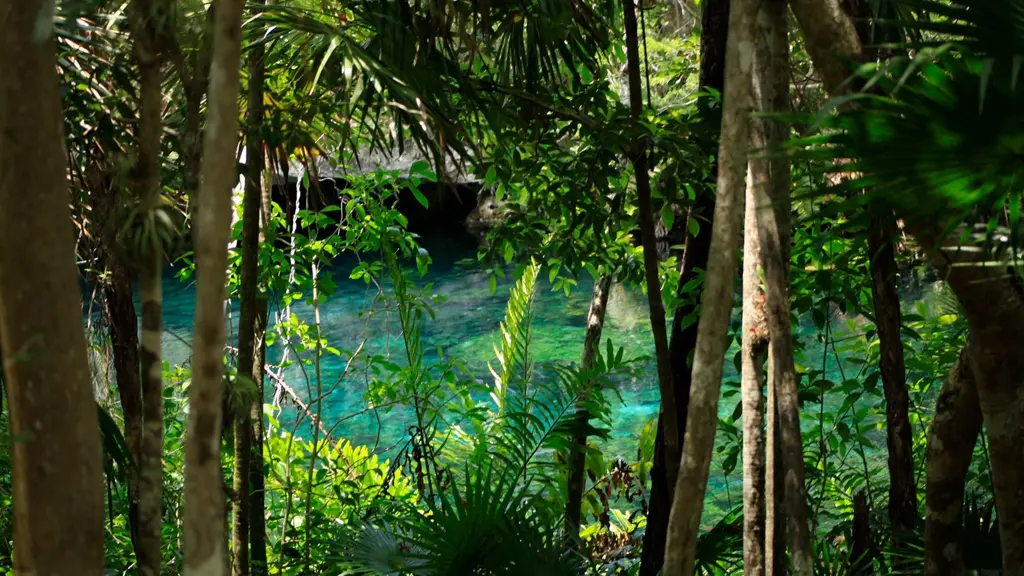
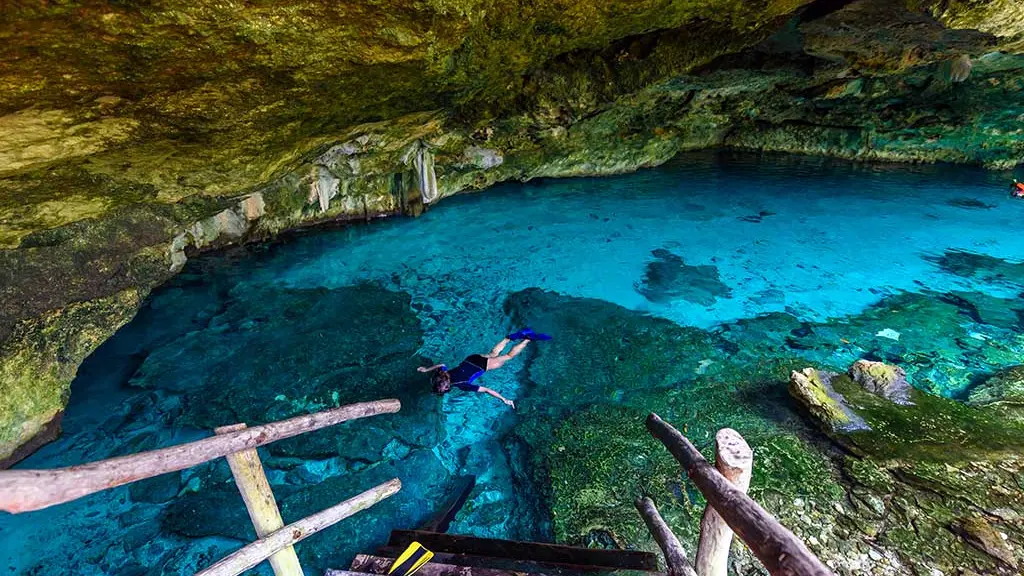
Cenote Dos Ojos is one of the most famous cenotes in the Yucatán Peninsula, located just north of Tulum on Highway 307, roughly 65 kilometers south of Playa del Carmen. Its name means “Two Eyes” in Spanish, referring to two large, roughly circular openings in the limestone surface that connect below ground into an extraordinary underwater cave system extending for tens of kilometers through the bedrock.
Dos Ojos is consistently ranked among the most beautiful and accessible cenotes in the region for both snorkeling and cave diving. The water is crystal clear with visibility in the cave system that can exceed 100 meters. The constant temperature stays around 25°C year-round. The accessible cave passages contain stalactites hanging from the ceiling that formed during ancient ice ages when sea levels were much lower and the cave was above water. Shafts of sunlight entering from the two surface openings illuminate the interior in dramatic beams, creating the distinctive lighting that has made Dos Ojos one of the most photographed cenote systems in Mexico.
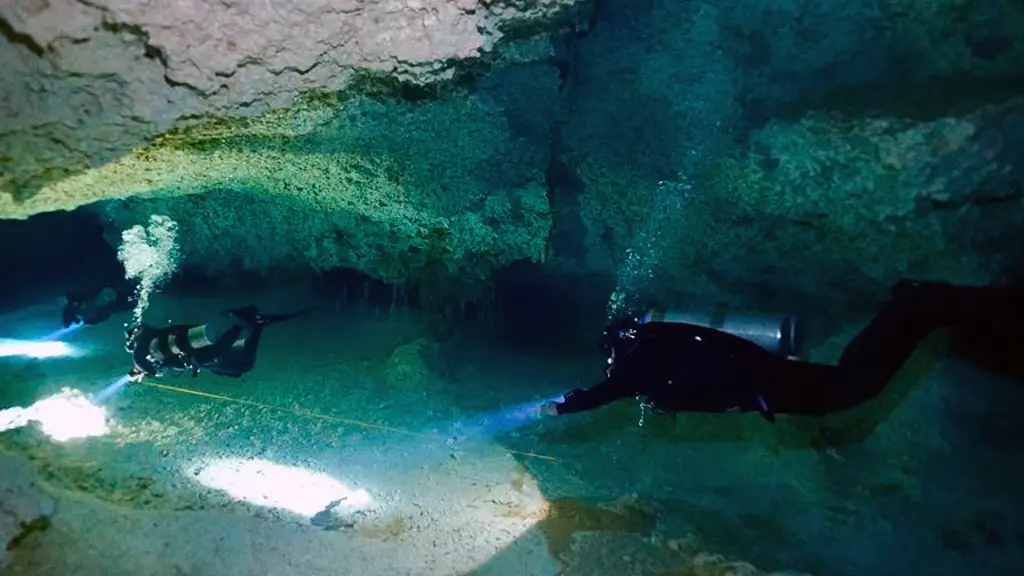
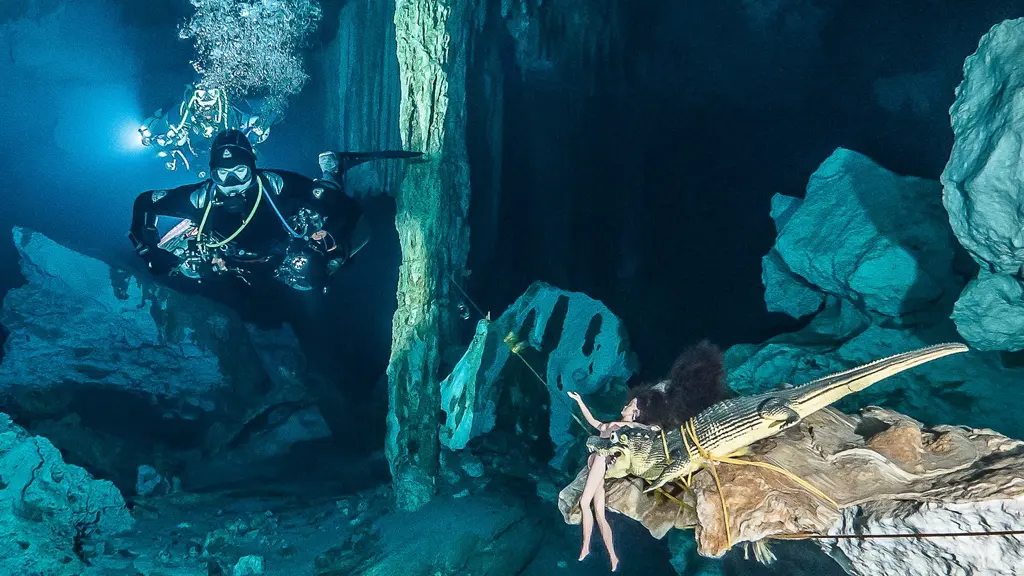
For cave divers, Dos Ojos is world-class terrain. The system connects to the vast flooded cave network beneath the Yucatán Peninsula and has been measured at over 61 kilometers in length, making it one of the longest known underwater cave systems on Earth. Access to the deeper sections requires proper technical cave diving certification.
The cenote is managed by a local ejido community organization, with well-maintained facilities and two main experiences: a guided snorkeling tour of the accessible cave passages suitable for anyone who can swim, and cave or cavern diving for certified divers. Morning is by far the best time to visit — the sunlight enters the openings at its most dramatic angle in the morning hours, creating the extraordinary light effects inside the cave that the site is famous for.
Location
Related Attractions
Frequently Asked Questions about Cenote Dos Ojos
What makes Cenote Dos Ojos special?
Cenote Dos Ojos is special for several reasons. Visually, it is among the most stunning cenotes in the Yucatán, with crystal-clear water, dramatic stalactite formations, and shafts of sunlight entering from the two surface openings that create extraordinary lighting inside the cave — an effect that changes with the time of day and is at its most dramatic in the morning. For cave divers, it is an entry point to one of the longest known underwater cave systems on Earth, with over 61 kilometers of mapped passages. For snorkelers, the main cave passages are accessible without any diving experience, making this world-class underground beauty available to a very broad audience.
Is Cenote Dos Ojos good for snorkeling?
Yes — Dos Ojos is considered one of the finest cenotes in the Yucatán for snorkeling, particularly for first-time cenote visitors. The snorkeling tour floats visitors through the accessible cave passages, looking down at the clear depths and up at stalactites overhead. No diving experience is needed beyond basic snorkeling ability. Life jackets are available for anyone not comfortable floating independently. The water is calm, clear, and at a comfortable temperature year-round. The experience of drifting through a partially lit limestone cave with extraordinary rock formations visible through the crystal water is unlike any open-water snorkeling experience.
Can you cave dive at Cenote Dos Ojos?
Yes — Dos Ojos is one of the premier cave diving destinations in the world. The cenote is an entry point to an underwater cave network extending over 61 kilometers through the limestone bedrock, connecting to other cenotes in the Tulum area as part of what is believed to be one of the longest submerged cave systems on Earth. Full cave diving requires technical cave diving certification beyond standard open-water certification. Cavern diving — staying within sight of the entrance light — is available to standard open-water certified divers under a certified cave diving guide. Dive operators based in Tulum offer both options.
What is the best time of day to visit Cenote Dos Ojos?
Morning is by far the best time. Sunlight enters the two circular surface openings at its most dramatic angle in the morning hours, creating the shafts of light inside the cave that illuminate the water and formations in the spectacular way Dos Ojos is famous for. The effect diminishes as the sun moves higher by midday. Morning visits also tend to be less crowded, as large group tours typically arrive later in the day. Arriving before 10 or 11 AM gives the best light conditions and a more personal, quieter experience in the cave.
How do you get to Cenote Dos Ojos from Tulum?
Cenote Dos Ojos is located just off Highway 307 about 4 kilometers north of the main Tulum town intersection, on the western side of the highway. By rental car from Tulum, the journey takes about 10 minutes and is clearly signposted. A taxi from Tulum Ruins or the Tulum Hotel Zone takes a similar amount of time. Many visitors combine Dos Ojos with a morning visit to Tulum Ruins — arriving at the ruins at opening, then continuing to the cenote mid-morning before the heat of the day. From Playa del Carmen, the drive south on Highway 307 takes around 50 minutes to an hour. Colectivos along the highway can drop you near the entrance from either direction.
What are cenotes and why are they significant to the Maya?
Cenotes are natural freshwater sinkholes formed when the roof of an underground limestone cavern collapses, exposing the water-filled cave below. The Yucatán Peninsula has no above-ground rivers — all rainfall drains into the porous limestone and flows through an enormous underground network of rivers and caves, occasionally surfacing at these openings. The water in cenotes is typically crystal clear, turquoise in color, and maintains a constant temperature of around 24 to 25°C year-round. To the ancient Maya, cenotes were sacred portals to Xibalba, the Maya underworld, and were used as sources of fresh water, sites of ritual offerings, and places of religious ceremony. Jade jewelry, ceramics, and human remains recovered from cenotes across the Yucatán reflect their importance as sacred sites over many centuries.
Rating Overview
No reviews yet. Be the first to leave a review!
Leave a Reply